


NGL: ask me anything
NGL App
I found NGL most useful as a lightweight way to invite questions from people who already follow me, rather than as a complete social network. Its appeal is immediate: create an NGL link, share it where friends can see it, and wait for responses in one focused inbox. That simple idea explains why the app has passed over 100 million installs and holds a 4.6 average from around 1.8 million ratings. My overall view is positive, but with an important condition: it works best when you treat it as a playful conversation prompt, not as a guaranteed way to discover who is behind every message.
The app belongs to the social category and is developed by NGL App. It is free to install, with in-app purchases ranging from $0.99 to $29.99 per item. The audience rating is Teen, which feels appropriate because anonymous or semi-anonymous questions can quickly move from harmless jokes to uncomfortable personal comments. I would recommend trying it with sensible boundaries already in mind, especially if the link will be visible to classmates, coworkers, or a large public audience.
How NGL feels in everyday use
The central workflow is easy to understand. I open the app, create my NGL link, and place it somewhere people already look, such as a social profile or a temporary post. The app then becomes a collection point for replies. Instead of asking friends individually to start a conversation, I give them a low-pressure invitation to ask something, make a joke, or send a confession.
Related News

Instagram vs. Competitors: Which Social App Reigns Supreme?

TikTok's Strategic Ecosystem: Redefining Mobile Engagement
That low effort is the strongest part of the experience. A person who would hesitate to send a direct message may be more willing to respond through a link. For the owner of the link, the inbox gives a clear place to read incoming messages and decide how to react. I can answer publicly when a question is interesting, ignore a message that adds nothing, and use the better prompts to start a real conversation elsewhere.
A realistic example is a weekend trip with friends. I might share the link before leaving and receive questions about the destination, food, music, or plans. Rather than posting several separate question stickers or asking followers to send direct messages, I use one link as a single invitation. Afterward, I can turn the most entertaining responses into conversation starters. The app is particularly good at this kind of short-lived social moment.
Related News

Why WhatsApp Messenger Still Makes Everyday Communication Feel Easy

Jurassic World: The Game Is the Better Dino Tycoon for Strategic Players

Threads in Real Life: Who Should Join, Lurk, or Leave

How SHEIN Turned Shopping Into an Endless Content Feed

How to Make Fortnite Feel Smarter on Mobile

Should You Switch to Microsoft Outlook on Mobile?
The experience is less compelling when I expect a deep archive of conversations. NGL is built around participation and reaction, not long-form discussion. It does not replace a normal messaging app when I need clear identity, reliable context, or an organized group chat. Its value comes from lowering the barrier to a question, not from managing a complicated community.
The link is the real product
The store summary, “Get your NGL Link,” captures the practical purpose better than a long feature list could. The link is what travels outside the app, while NGL handles the responses behind it. That makes the service easy to introduce to people who have never used it before: they do not need to understand a new social feed before participating.
I found it helpful to decide where the link belongs before sharing it. A small circle of friends creates a different atmosphere from a public profile. If I want thoughtful answers, I would share it in a limited setting and explain the kind of questions I am hoping to receive. If I simply post it everywhere, the inbox may become noisier and less useful.
Gallery
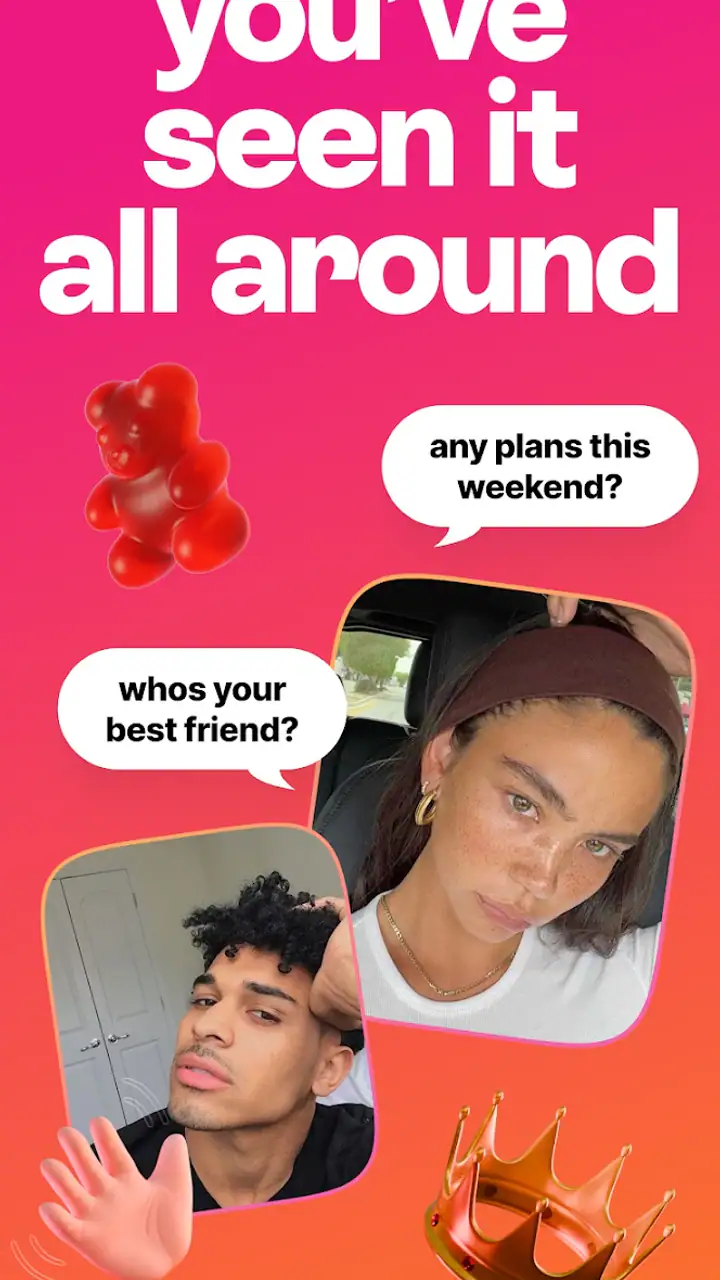
One practical tip is to prepare a few prompts of my own. Anonymous question tools can stall when visitors do not know what to ask. A short invitation such as “ask me about my current hobby” or “send a recommendation” gives people a starting point without forcing them into a personal topic. This turns the link from a passive address into a small activity with a clear purpose.
Another useful workflow is to separate response time from notification time. I would not feel obliged to answer every message immediately. Reading everything in one session makes it easier to spot recurring themes, discard low-effort material, and choose replies that are worth sharing. That small habit reduces the feeling that the inbox controls my attention.
Where the free version fits
Because the app is free, the basic experiment is easy to justify. I can create a link, share it, and see whether my audience actually participates without committing money first. For someone who only wants occasional questions, that may be enough. The free entry point also makes NGL more approachable than a service that requires a subscription before the main idea can be tested.
There are optional purchases, however, and individual items cost between $0.99 and $29.99. I would be careful here. The fun of NGL comes from the interaction itself, so I would not buy anything simply because an inbox feels slow or because I am hoping to force more engagement. Before paying, I would ask whether the purchase improves a real workflow I already enjoy or merely promises more curiosity about the messages.
This is especially important for younger users. A Teen rating does not mean every exchange will feel comfortable for every teenager. I would involve a parent or trusted adult if spending is possible through the device, and I would avoid treating paid options as necessary for the app to be worthwhile. The best test is simple: use the free experience long enough to decide whether people actually respond.
The main weakness: anonymity changes the tone
The same distance that encourages questions can also reduce accountability. A message that would sound funny face to face may feel rude when sent without a name. In my experience, this is the central trade-off of NGL: it can reveal playful curiosity, but it can also invite comments that are vague, repetitive, or unnecessarily personal.
That means the app requires more active filtering than an ordinary group chat. I would not share the link during a stressful period if I knew I might take random criticism personally. I would also avoid using it to settle an argument, test whether someone likes me, or investigate a sensitive relationship. Those goals depend on trustworthy identity, while the format is designed around uncertainty.
A good boundary is to decide in advance what deserves no response. Questions about private information, insults disguised as jokes, and messages that pressure me to reveal something should be ignored rather than rewarded with attention. If the app offers tools for handling unwanted interactions on my current version, I would use them promptly; if not, removing the link from public view is a practical first step.
I also think expectations matter. Some people install NGL hoping it will reveal the names of anonymous senders. That expectation can overshadow the actual purpose of the app. I would approach it as a prompt-based social layer, not as a detective tool. If knowing exactly who wrote each message is essential, a normal messaging platform is the better choice.
How it compares with familiar alternatives
Compared with a direct-message inbox, NGL is easier for casual participation but weaker for accountability. Direct messages usually make the sender visible, which supports serious conversations and makes it easier to follow up. NGL is better when I want a spontaneous question from someone who might otherwise remain silent.
Compared with question stickers or similar tools built into major social platforms, NGL offers a more dedicated destination for this particular exchange. A built-in sticker can be faster when my audience is already watching a story, while NGL makes sense when I want one reusable link that I can place in several social contexts. The choice depends on where my audience already spends time.
Compared with a group chat, NGL creates less pressure for the sender and less structure for everyone else. A group chat is preferable for planning, debate, or ongoing friendship because participants can respond to one another with visible context. NGL is preferable for a burst of questions, a playful prompt, or a temporary event where I want replies collected in one place.
Compared with anonymous forums, NGL feels more personal because the link is usually connected to one person’s social presence. That can make responses more relevant, but it also makes negative comments feel closer to home. I would choose a forum for broad discussion and NGL for questions directed at me.
Who will get the most from it
NGL is a good fit for people who already have an active social circle or audience and want an easy conversation starter. It can work for a student collecting lighthearted questions, a creator inviting topic suggestions, or a friend organizing a casual question round before an event. The app is strongest when there is already a reason for people to click the link.
It is also useful for someone who dislikes the formality of asking followers to send a direct message. The link creates a clear invitation without requiring a long explanation. If I want feedback on a creative idea, recommendations for a trip, or amusing questions for a social post, the format can produce responses quickly and with little setup.
I would skip it if I have no audience to share the link with, if I need verified identities, or if I am looking for a private support space. It is not the right tool for confidential advice, workplace complaints, serious relationship conversations, or anything that depends on knowing the sender’s intentions. In those situations, a trusted person or a conventional private channel is safer and more useful.
Parents and guardians should also consider the social setting around the app, not just the Teen label. A young person may enjoy harmless questions, yet still feel pressured by comments about appearance, friendships, or popularity. I would encourage a clear plan for ignoring, removing, and discussing messages that cross a line. The app can be fun without becoming a test of self-worth.
Small habits that make the experience better
My first recommendation is to give the link a purpose. “Ask me anything” is broad, but a narrower prompt usually creates better replies. Topics such as travel plans, favorite media, hobbies, or friendly predictions help steer the tone while leaving room for creativity.
My second recommendation is to share it for a defined period rather than leaving it visible indefinitely. A temporary window creates a natural reason to participate and makes the inbox easier to manage. After the activity ends, I would remove or hide the link so old posts do not keep attracting messages I no longer want to read.
My third recommendation is to answer selectively. Posting every response can encourage quantity over quality and may expose more of my personal life than intended. Choosing a few thoughtful or funny questions gives the exchange shape. It also signals the kind of participation I want from the people viewing the link.
Finally, I would review the app’s current controls after installing it, especially before sharing widely. The current version is 2.5.24 and supports devices running Android 8.0 or later, so compatibility is straightforward for many Android users. Still, menus and safety controls can change between releases, and taking a moment to understand the available options is worthwhile before inviting a large audience.
My verdict after using it
NGL succeeds because it concentrates one social action into a simple link. I can invite questions without building a new community, and people can participate without the friction of a formal message. That makes it more engaging than a blank profile and more focused than a general social feed when the goal is a short question-and-answer moment.
Its limitation is inseparable from its appeal. Less pressure for the sender can mean less responsibility for the message. I would use it with a light mood, clear boundaries, and no expectation that anonymity will provide reliable truth. The app is enjoyable when I am ready to curate the experience rather than accept every response at face value.
For a free social app from NGL App, the entry point is inviting, and its large audience suggests that the link-based format has broad appeal. The Teen rating is a reminder to use judgment, while the optional purchases make it sensible to test the core experience before spending. My recommendation is therefore specific: try it if you want playful questions from an existing audience, but choose direct messaging or a trusted private channel whenever identity, privacy, or emotional safety matters more than spontaneity.
FAQs for NGL: ask me anything
What is NGL: ask me anything?
NGL: ask me anything is a social app that allows users to receive anonymous questions and feedback from their friends and followers. The app is designed to promote open and honest communication by removing the fear of judgment, thereby encouraging users to engage in more candid interactions.
How does NGL ensure user privacy and anonymity?
NGL uses advanced anonymity protocols to ensure that the identity of users submitting questions remains undisclosed. The app does not track or store personal data tied to anonymous submissions, ensuring that users can interact without fear of their identities being revealed.
Is NGL available for both Android and iOS devices?
Yes, NGL is available for download on both Android and iOS platforms. Users can easily find the app in the Google Play Store for Android devices and the Apple App Store for iOS devices, ensuring accessibility for a wide audience across different mobile platforms.
What are the main features of NGL?
NGL offers several key features, including the ability to receive anonymous questions, customizable profiles, and privacy settings to control who can interact with you. The app also includes features to report inappropriate content, ensuring a safe and respectful environment for all users.
Are there any costs associated with using NGL?
NGL is free to download and use, but it may offer in-app purchases or premium features. These optional purchases can enhance the user experience by providing additional customization options or removing advertisements. Users can enjoy the core functionalities without any mandatory costs.
Pros
- Anonymous questions feature is fun and engaging.
- Simple and user-friendly interface.
- In-app hints for better responses.
- Customizable question prompts.
- Great for sparking conversations.
Cons
- Limited free features without subscription.
- Some questions may be inappropriate.
- Ads can be intrusive at times.
- Requires social media login.
- Privacy concerns with anonymous posts.


